The Green Advantage: Eco-Friendly Credit Cards
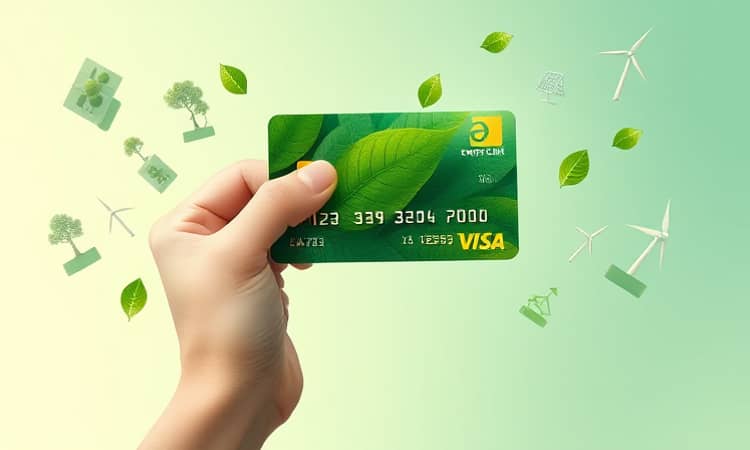
In today's world, financial decisions are increasingly intertwined with environmental consciousness, driving a powerful shift in how we approach daily transactions.
Eco-friendly credit cards represent a transformative tool for those who seek to align their spending with their values, offering a practical way to contribute to a healthier planet.
By choosing these cards, you can turn everyday purchases into meaningful opportunities for reducing your carbon footprint and supporting green initiatives, making every swipe count.
This movement is not just a trend; it's a reflection of growing consumer awareness and a commitment to sustainable living.
As more people prioritize eco-conscious choices, the demand for financial products that support this mindset is skyrocketing.
The Consumer Shift Towards Sustainability
Recent data reveals that nearly 60% of Gen Z credit cardholders consider sustainability highly important, nearly double the rate of older generations.
This highlights a broader cultural shift where younger demographics are leading the charge towards ethical finance.
They are driving banks and issuers to innovate, pushing for cards that reflect personal values and environmental responsibility.
- Gen Z's influence is accelerating market changes and product developments.
- Consumer awareness is expanding across all age groups, fostering wider adoption.
- The demand for eco-friendly options is evolving from niche to mainstream appeal.
This trend underscores a deeper desire for financial tools that offer both utility and positive impact.
Market Growth and Projections
The eco-friendly credit card market is poised for remarkable expansion in the coming years, with projections indicating robust growth.
Estimates suggest it could reach up to $5,500 million globally by 2025, fueled by increasing consumer preference and regulatory pressures.
With a compound annual growth rate (CAGR) ranging from 8.4% to 18%, the sector is set to thrive through 2033.
By 2028, the market is expected to hit a milestone of $1 billion, driven by factors like plastic waste regulations and corporate sustainability goals.
Key drivers include the rise of biodegradable materials and digital integration, which enhance user experience.
Consumer willingness to pay a premium for sustainable products is also a significant catalyst for this growth.
Key Features That Define Eco-Friendly Cards
Eco-cards distinguish themselves from traditional plastic cards through innovative designs and functionalities.
They incorporate sustainable materials and reward systems that encourage green spending and environmental stewardship.
- Materials: Made from recycled plastic, biodegradable bioplastics, ocean plastic, or plant-based options to reduce first-use plastic and emissions.
- Rewards for Green Spending: Offer 5-10% cash back on eco-purchases like EV charging, public transit, and sustainable retailers.
- Automatic Donations/Offsets: Plant trees per purchase or donate a percentage of spend to nonprofits, funding carbon offsets and reforestation projects.
- Impact Tracking: Use mobile apps to measure carbon footprint and the environmental impact of spending habits.
- Digital Features: Support contactless payments via digital wallets and blockchain for enhanced transparency and security.
- Other Perks: Often include no annual fees, zero ATM fees, and APY on balances, adding financial value.
These features make sustainable cards about 30% more expensive to produce, but they are durable and functional.
In 2023, over 169 million Mastercard-branded cards utilized sustainable materials, showcasing industry adoption.
Top Providers and Cards to Consider
Several companies are at the forefront of offering eco-friendly credit and debit cards, each with unique benefits.
Choosing the right card depends on your spending patterns and environmental goals, so it's essential to compare options.
- FutureCard Visa Debit: Provides up to 6% cash back on eco-spending partners and 5% on sustainable brands, with no annual fees and a 1.75% APY.
- Aspiration Zero Credit/Debit: Uses recycled materials, plants a tree per purchase, and offers up to 10% cash back on conscious businesses with zero fees.
- TreeCard: Made from sustainable materials, with profits directed to reforestation initiatives from everyday purchases.
- Atmos Debit: Offers cash back on climate brands like net-zero restaurants and EV services, with no annual fees and access to over 55,000 ATMs.
- Beneficial State Bank Climate Card: Rewards everyday purchases to support climate nonprofits, aligning spending with advocacy.
- Mastercard Sustainable Card: Commits to using recycled or vegetable-based materials for all new plastic cards by 2028, promoting network-wide sustainability.
Major players like Visa and Thales Group are also innovating, while startups drive niche advancements.
This diversity ensures that consumers can find a card that fits their specific needs and values.
Industry Trends Shaping the Future
The eco-friendly card industry is evolving rapidly, with trends that promise to enhance sustainability and user experience.
Material shifts and tech integration are leading the way, making these cards more effective and accessible.
- Material Shifts: Development of biodegradable and compostable cards for full lifecycle sustainability, from production to disposal.
- Tech Integration: Increased use of digital wallets, blockchain for tracking, and carbon calculators to empower users with data.
- Timeline Developments: From 2020 commitments to sustainable materials to 2023 R&D investments, driving continuous innovation.
- Business Benefits: Enhanced customer loyalty, especially among youth, cost savings long-term, improved brand reputation, and regulatory compliance.
- Challenges: Higher production costs and concerns over material durability and security, which are being addressed through research.
These trends indicate that sustainable finance is not just a passing phase but a lasting transformation.
They offer a glimpse into a future where financial tools seamlessly support environmental goals.
Benefits for Users and the Environment
Adopting an eco-friendly credit card delivers a multitude of advantages, blending personal gain with planetary health.
For users, it provides tangible financial incentives and ethical alignment, making spending more purposeful and rewarding.
- User Benefits: Earn cash back on green purchases, enjoy low or no fees, gain insights into spending habits, and feel a sense of contribution to causes.
- Environmental Impact: Reduces plastic waste and carbon emissions by using sustainable materials and funding offsets, trees, and solar projects.
- Broader Effects: Promotes a circular economy and conscious consumerism, complementing the shift towards digital payments for a greener footprint.
By rewarding eco-friendly choices, these cards encourage sustainable lifestyle changes, such as using public transit or supporting local organic farms.
They help bridge the gap between individual actions and collective environmental progress, fostering a sense of community and impact.
How to Choose the Right Eco-Friendly Card
Selecting the perfect eco-friendly card requires careful consideration of your priorities and habits.
Focus on key aspects to ensure it meets your needs while maximizing your environmental contribution.
- Compare green rewards rates, such as cash back percentages on eco-purchases, to maximize savings.
- Evaluate the materials used in the card, opting for recycled or biodegradable options to reduce waste.
- Look for auto-donation features that support nonprofits or carbon offsets without extra effort.
- Check for low annual fees and additional perks like APY on balances to enhance financial value.
- Assess impact tracking tools and partnerships with eco-brands, such as EV or solar energy providers, for added benefits.
- Balance functionality with traditional card features to ensure it fits seamlessly into your daily life.
Gen Z may lead the demand, but these cards are designed for all generations seeking to make a difference.
Start by reviewing your current spending and environmental values, then explore options that align with both.
With the right card, you can transform your financial routine into a force for good, inspiring others to join the movement.
Remember, every choice counts, and by opting for an eco-friendly credit card, you're taking a step towards a more sustainable future.
References
- https://www.cardrates.com/studies/gen-z-wants-credit-card-companies-to-go-green/
- https://featured.com/questions/best-eco-friendly-cards-features-benefits
- https://www.datainsightsmarket.com/reports/eco-friendly-credit-card-410648
- https://www.futurecard.co/futureblog/best-green-credit-cards
- https://www.marketreportanalytics.com/reports/eco-friendly-credit-card-188110
- https://www.nerdwallet.com/credit-cards/learn/eco-friendly-credit-cards-what-do-they-promise-can-they-deliver
- https://www.mastercard.com/us/en/news-and-trends/Insights/2024/sustainable-card-program.html
- https://www.joinatmos.com/blog/what-are-eco-friendly-debit-cards-and-credit-cards
- https://www.idemia.com/pdf-export.php?post_id=8200
- https://greenamerica.org/better-banking/take-charge-your-card/find-responsible-credit-cards
- https://helpmebuildcredit.com/whats-different-about-a-green-eco-credit-card/
- https://cpicardgroup.com/earth-elements/
- https://cashessentials.org/the-environmental-footprint-of-payment-cards/
- https://squareup.com/us/en/the-bottom-line/operating-your-business/green-card-manufacturing
- https://www.youtube.com/watch?v=BiN-OWt9gXM